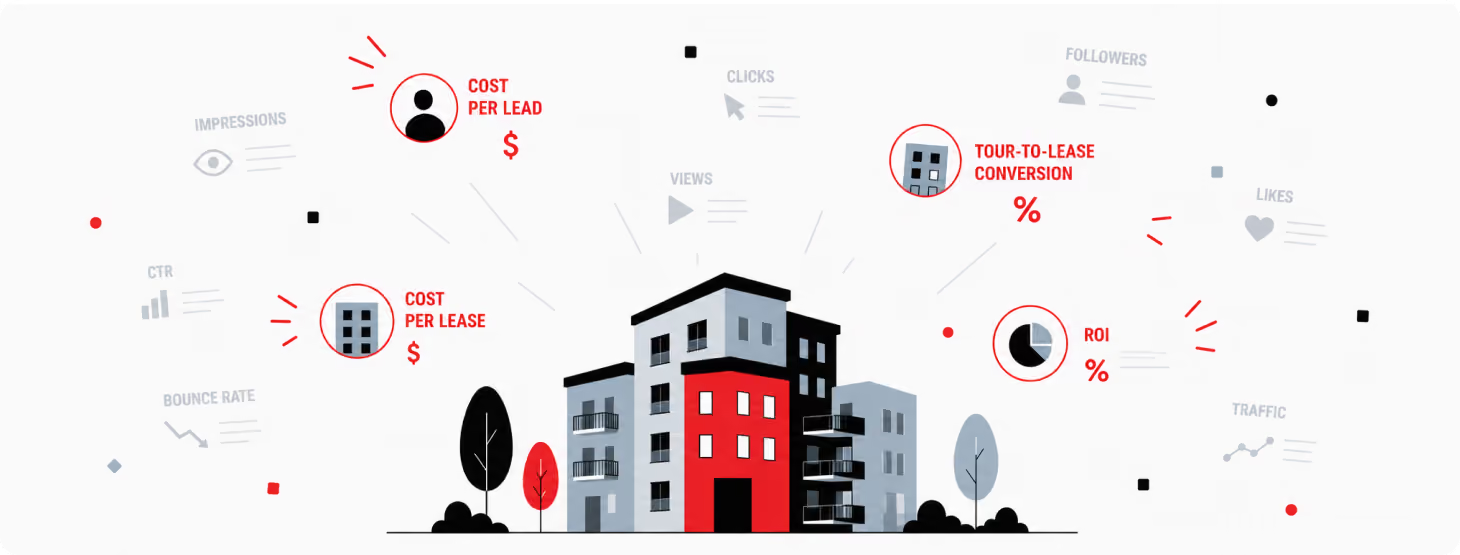

Marketing has never been more measurable. From clicks and impressions to lead volume and website traffic, multifamily marketers have access to more performance data than ever before.
But having more data doesn't necessarily mean having more insight.
One of the biggest challenges marketing teams face is distinguishing between metrics that are simply interesting and those that truly demonstrate business impact. A campaign may generate thousands of impressions or hundreds of leads, but if those efforts aren't contributing to signed leases and revenue, are they really successful?
As multifamily marketers begin planning budgets and strategies for the coming year, understanding which key performance indicators (KPIs) actually matter is essential. By focusing on meaningful metrics instead of vanity metrics, teams can make smarter investment decisions, optimize campaigns more effectively, and clearly demonstrate marketing's value to stakeholders.
Why Measuring ROI Is More Important Than Ever
Marketing budgets are under increasing scrutiny. Property owners, operators, and leadership teams want to know not just how much marketing is doing, but how much it's contributing to occupancy, revenue, and long-term growth.
At the same time, the renter journey has become increasingly complex. Prospects often interact with multiple marketing channels before scheduling a tour or signing a lease. A paid search ad may introduce a prospect to a property, social media may reinforce brand awareness, and an email campaign may ultimately encourage them to book a tour.
Without meaningful KPIs, it's difficult to understand which efforts are influencing leasing decisions and where marketing dollars are generating the greatest return.
That's why measuring ROI isn't simply about reporting results-it's about making better decisions.
Start With Business Goals
Before selecting KPIs, it's important to define what success looks like for your organization.
Marketing objectives should support broader business goals, such as:
- Increasing occupancy
- Reducing vacancy periods
- Improving lead quality
- Lowering acquisition costs
- Growing revenue through stronger leasing performance
When marketing metrics align with these objectives, reporting becomes more valuable because it demonstrates how marketing contributes to overall business success. Rather than asking, "How many clicks did we receive?" the better question becomes, "How did this campaign help us lease more apartments?"
Move Beyond Vanity Metrics
Metrics like impressions, clicks, followers, and page views certainly have value. They help measure visibility and engagement, but they rarely tell the complete story. For example, a campaign may generate exceptional click-through rates while producing very few qualified leads. Another campaign might drive less traffic but result in significantly more signed leases.
Both campaigns appear successful if you're only measuring clicks. Only one delivers meaningful business value. That's why marketers should treat vanity metrics as indicators-not outcomes. They provide context, but they shouldn't define success.
The KPIs That Matter Most
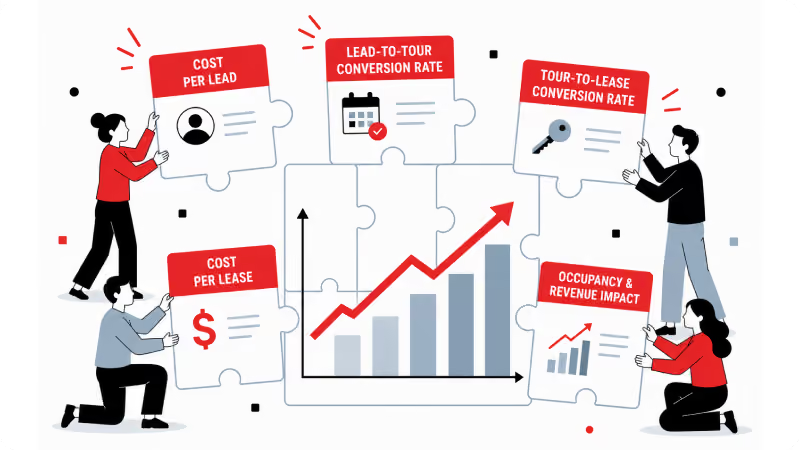
While every portfolio has unique goals, several KPIs consistently provide the clearest picture of marketing performance.
Cost Per Lead
Cost per lead measures how efficiently marketing campaigns generate prospective renters. Tracking this metric helps marketers compare channel performance and understand which campaigns are producing leads most efficiently.
However, cost per lead should never be evaluated in isolation. Low-cost leads aren't always high-quality leads.
Lead-to-Tour Conversion Rate
Generating leads is only the beginning.
Lead-to-tour conversion measures how effectively prospects move from initial inquiry to scheduling a property visit. A strong conversion rate often indicates that marketing is attracting qualified prospects while leasing teams are engaging them effectively.
If lead volume is high but tours remain low, the issue may lie in audience targeting, messaging, or follow-up processes.
Tour-to-Lease Conversion Rate
One of the most valuable KPIs in multifamily marketing is the percentage of tours that become signed leases. This metric helps identify whether marketing is attracting the right audience and whether the overall leasing experience is meeting prospect expectations.
Strong tour-to-lease performance often reflects alignment between marketing messaging and the actual resident experience.
Cost Per Lease
For many multifamily marketers, cost per lease is the ultimate performance metric.
Rather than measuring marketing activity alone, it connects advertising spend directly to leasing outcomes. Understanding cost per lease allows teams to compare channels objectively and invest more confidently in the strategies producing the strongest return.
It's one of the clearest ways to demonstrate marketing ROI to stakeholders.
Occupancy and Revenue Impact
Marketing doesn't operate independently from property performance.
Monitoring occupancy trends alongside marketing efforts provides valuable insight into how campaigns contribute to broader business goals. While occupancy is influenced by many factors-including pricing, seasonality, and market conditions-marketing plays an important role in supporting consistent demand.
Connecting campaign performance to occupancy and revenue creates a more complete understanding of ROI.
Attribution Matters
Today's renter journey rarely follows a straight line. A prospect might discover a community through Google Search, return after seeing a social media advertisement, read online reviews, and finally submit a lead after receiving an email. Without proper attribution, marketing teams may underestimate the value of certain channels or over-credit others.
Modern attribution models help marketers understand how different touchpoints contribute throughout the customer journey rather than assigning all value to a single interaction. This leads to more informed optimization and smarter budget allocation.

Use KPIs to Guide Strategy-Not Just Reporting
The best marketing teams don't collect KPIs simply to create monthly reports. They use them to ask better questions.
If cost per lease increases, why?
If lead quality declines, which campaigns changed?
If one property consistently outperforms another, what can be replicated?
KPIs should spark conversations that lead to continuous improvement rather than simply documenting past performance. When viewed this way, reporting becomes a strategic planning tool instead of an administrative task.
Build Dashboards That Tell a Story
One common mistake organizations make is overwhelming stakeholders with too much data. Instead of presenting dozens of disconnected metrics, build dashboards that highlight the KPIs most closely tied to business outcomes.
A useful marketing dashboard should answer questions like:
- Are we generating qualified leads?
- Which channels produce the highest ROI?
- How efficiently are we converting prospects into residents?
- Where should future marketing investments be focused?
Clear dashboards allow leadership teams to understand performance quickly and make confident decisions.
Looking Ahead to 2027
As planning for next year's marketing strategy begins, KPIs become more than performance measurements-they become forecasting tools. Historical performance helps marketers estimate future budgets, identify growth opportunities, and allocate resources more effectively. Rather than relying on assumptions, teams can use proven data to determine where additional investment is likely to produce stronger returns. This creates a planning process grounded in evidence rather than guesswork.
Turning Data Into Better Decisions
Effective multifamily marketing isn't about tracking every available metric. It's about measuring the ones that influence business outcomes.
By focusing on KPIs like cost per lead, lead-to-tour conversion, tour-to-lease conversion, cost per lease, and overall ROI, marketing teams gain a clearer understanding of what's working and where improvements are needed. As organizations prepare budgets and strategies for 2027, these insights become invaluable. They help justify investments, improve campaign performance, and ensure marketing efforts remain aligned with broader business objectives.
Because the most valuable KPI isn't simply the one that's easiest to measure-it's the one that helps you make smarter decisions for the future.