Request Demo
Sign-up for a demo to see how our solutions can help you improve website conversion rate, generate more leases and simplify reporting.

 Back
Back Copy link
 Share on LinkedIn
 Share on X
 Share on Facebook
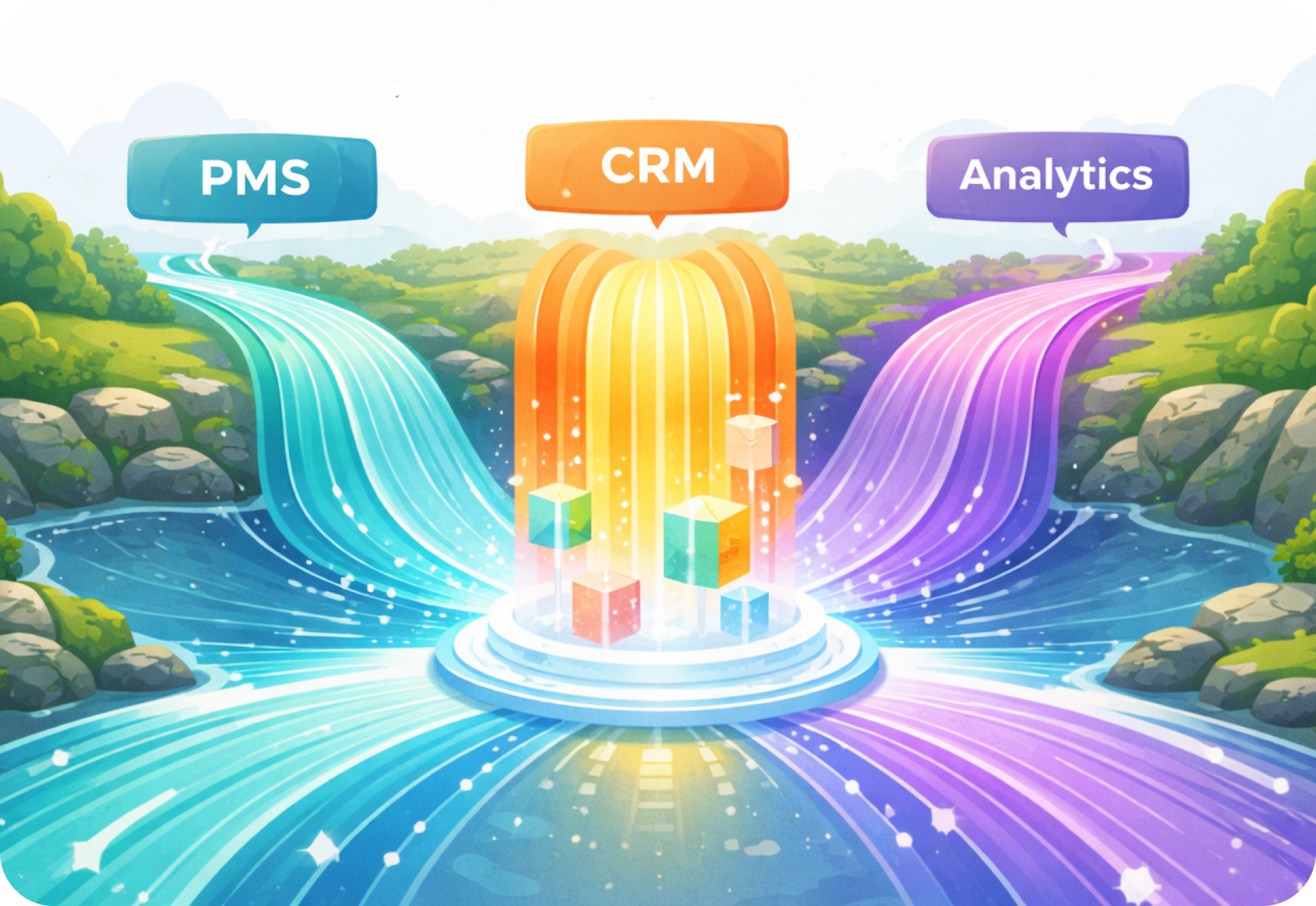
In multifamily marketing, success isn’t just about running great campaigns - it’s about having connected systems that support smarter decisions.
Property Management Systems (PMS), Customer Relationship Management platforms (CRM), and analytics tools each play a critical role in the leasing journey. But when they operate in silos, even the most built-out marketing strategy can fall short of its targets.
AAs multifamily marketers continue building strong digital foundations early in the year, integrating these systems has become more than just a technical upgrade - it’s a strategic necessity.
The Problem with Disconnected Systems
Many multifamily teams rely on a mix of platforms to manage operations, nurture leads, and measure performance. Individually, each tool serves a purpose:
- A PMS tracks availability, pricing, leases, and resident data.
- A CRM manages prospect interactions, follow-ups, and communication.
- Analytics platforms measure campaign performance, traffic sources, and engagement metrics.
But when these systems don’t communicate effectively, marketers are left piecing together fragmented data. The result? Slower insights, inconsistent performance tracking, and missed opportunities to connect marketing efforts directly to leasing outcomes.
Why Integration Matters Now More Than Ever
The multifamily landscape continues to evolve, and marketing channels are becoming more and more complex. Renter journeys span multiple touchpoints, and leadership teams expect clearer accountability for marketing spend. In this environment, integration delivers three critical advantages: visibility, efficiency, and strategic alignment.
Clearer Attribution and Performance Measurement
One of the biggest challenges in multifamily marketing is understanding which efforts truly drive leases. Without integration between PMS, CRM, and analytics platforms, it’s difficult to connect a digital click to a signed lease.
When systems are integrated, marketers can follow the entire journey:
Ad click Website visit Lead submission Tour Lease signed.
This end-to-end visibility allows teams to evaluate channels based on real outcomes, and not just clicks or form fills. Instead of optimizing for leads alone, marketers can optimize for cost per lease, conversion rate, and overall ROI.
More Efficient Workflows
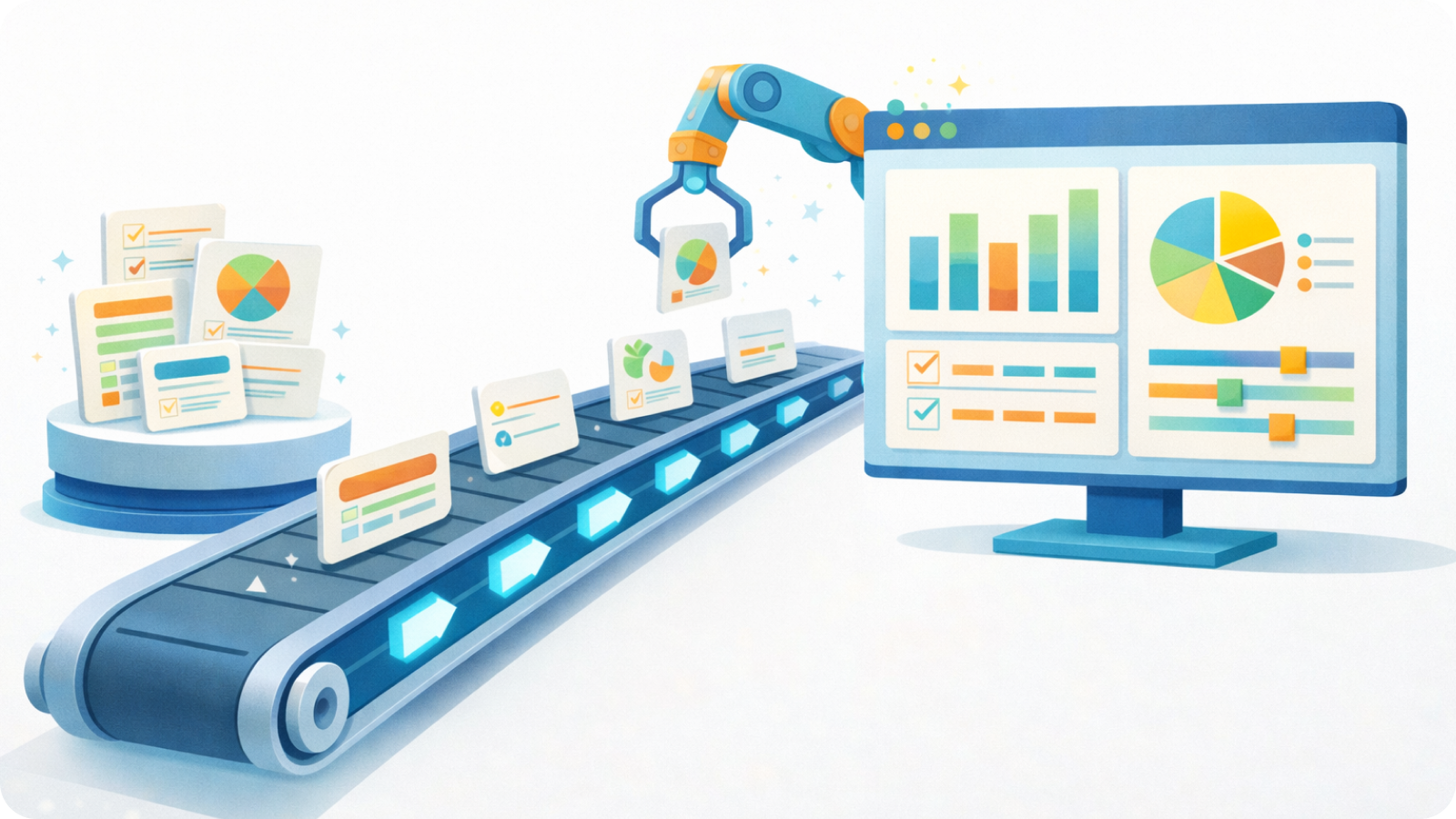
Manual data transfers and spreadsheet reporting consume valuable time. When teams must export data from one platform and reconcile it in another, inefficiencies multiply. Integrated systems reduce duplication and streamline workflows. Leads automatically sync from website forms into the CRM. Leasing outcomes feed back into reporting dashboards. Performance metrics update in real time.
This efficiency frees up marketers to focus on strategy, testing, and innovation rather than administrative tasks.
Better Decision-Making Across Teams
Integration doesn’t just benefit marketing, it improves alignment between marketing and operations. When PMS, CRM, and analytics platforms share data, teams gain a shared source of truth. Marketing can see how lead quality impacts leasing velocity, operations can understand which channels drive high-intent prospects, and leadership gains clearer insight into performance across properties.
This alignment supports smarter budget allocation, more informed goal-setting, and stronger collaboration.
What True Integration Looks Like
Integration isn’t simply having multiple platforms in place - it’s ensuring they communicate consistently and accurately.
A well-integrated tech stack typically includes:
- Automated lead syncing between website forms and CRM
- Standardized source tracking across all campaigns
- PMS data feeding back into reporting dashboards
- Consistent naming conventions and UTM parameters
- Real-time or near-real-time performance visibility
The goal is not complexity, it’s clarity. When systems are aligned, marketers can trust their data and move confidently.

Common Barriers to Integration
Despite its benefits, integration can feel daunting. Multifamily portfolios often inherit multiple systems over time, making alignment challenging.
Common barriers include:
- Legacy systems that don’t easily connect
- Inconsistent data entry practices
- Lack of standardized tracking conventions
- Concerns about implementation time or cost
However, the cost of not integrating is often higher. Fragmented systems lead to unclear attribution, slower optimization, and difficulty proving marketing impact. The key is approaching integration strategically - not all at once, but in phases.
Steps to Strengthen Your Tech Stack Foundation
March is an ideal time to assess whether your tech stack is truly supporting your marketing goals. Early-year optimization allows teams to operate more effectively for the remainder of the year.
Start with a simple audit:
- Map Your Systems: Identify which platforms manage leads, leases, reporting, and analytics.
- Evaluate Data Flow: Determine where data transfers are manual versus automated.
- Check Tracking Consistency: Ensure campaign source tracking is standardized across channels.
- Align KPIs: Confirm that reporting connects marketing metrics to leasing outcomes.
From there, prioritize improvements that create the greatest visibility and efficiency gains. Even incremental integration improvements such as automating lead syncing or standardizing UTM parameters can significantly enhance performance insights.
The Strategic Advantage of Connected Systems
When PMS, CRM, and analytics platforms are integrated, marketing transforms from reactive to proactive. Instead of asking, “How many leads did we get?” teams can ask, “Which campaigns drive the highest-quality leases?” Instead of waiting weeks for reconciled reports, they can identify performance shifts in real time. Instead of guessing where to allocate budget, they can make data-backed decisions with confidence.
Integration empowers marketers to tie digital strategy directly to revenue outcomes, which is a critical capability as leadership expectations continue to rise.
Building Foundations for the Year Ahead
Q1 is about setting the stage for success. Strong digital foundations don’t happen by accident - they’re built intentionally. As multifamily marketing becomes more data-driven, connected systems are no longer optional. They are essential to scalability, accountability, and long-term performance.
By investing in tech stack integration now, marketers position themselves for smarter optimization, clearer reporting, and stronger results throughout the year.

More from Dyverse
From Manual to Magical: How Marketing Automation Saves Time and Boosts Performance
At the start of a new year, multifamily marketers often find themselves juggling ambitious goals with limited time and resources. Between managing campaigns, tracking...
Google Search Console 101: Why It’s Essential for SEO
Put simply, Google Search Console (GSC) helps you monitor the overall performance and strength of your website’s organic search performance over...

5 Resources to Help You Create an Inclusive Marketing Strategy in 2021
With a name like Dyverse, we try to not only talk the talk, but strive to back it up with a celebration of diversity and a commitment toward...
Want more?
Subscribe to get the latest updates on multifamily marketing, technology, and more.

Keep up with us!
For the latest updates be sure to connect with us on our social platforms.


Let's start a conversation
Schedule a demo to discuss how Dyverse can help you boost your leasing performance.


Suite 1000
Orlando, FL 32801
(866) 832-1507


