Request Demo
Sign-up for a demo to see how our solutions can help you improve website conversion rate, generate more leases and simplify reporting.

 Back
Back Copy link
 Share on LinkedIn
 Share on X
 Share on Facebook
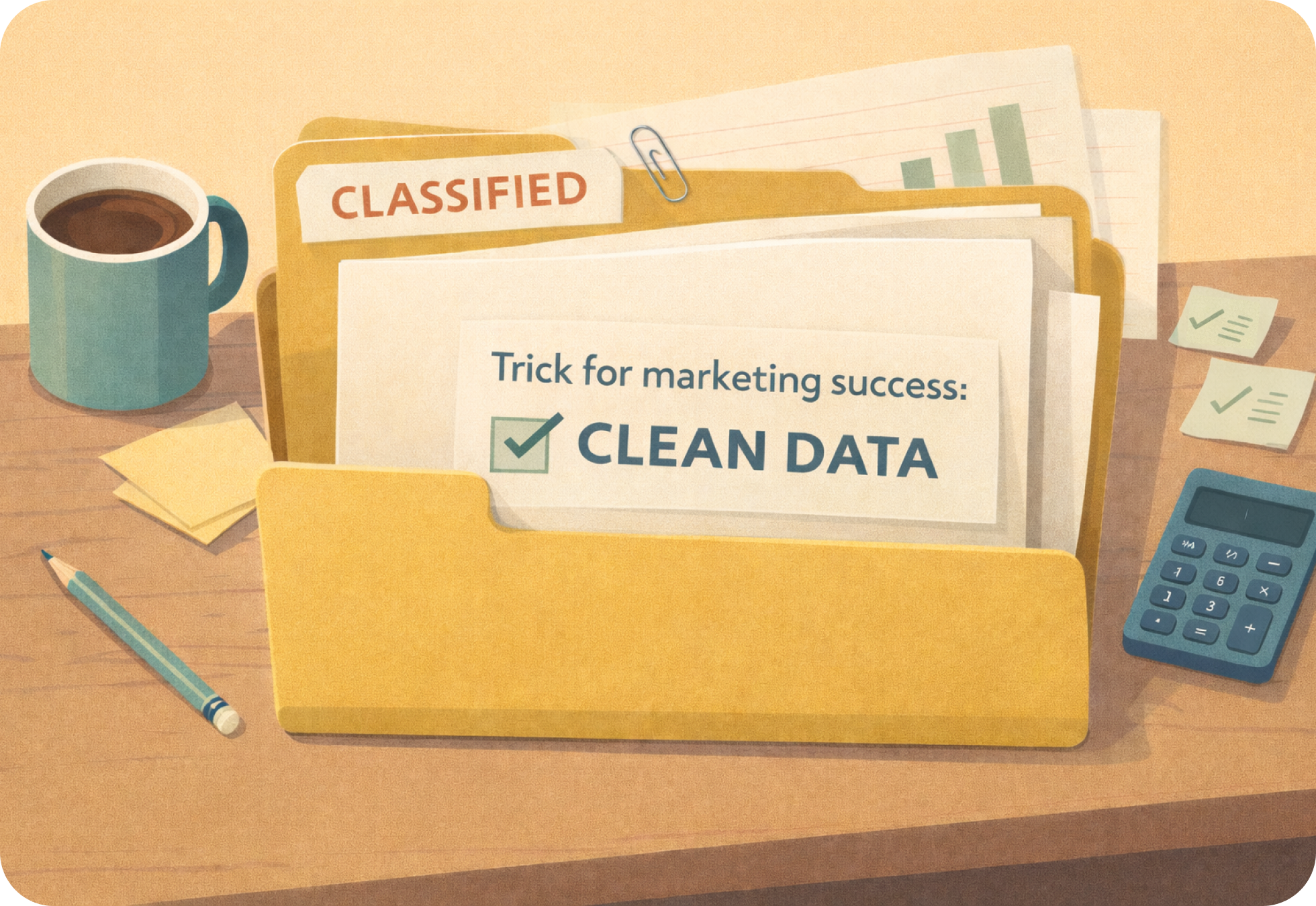
Multifamily marketing has never had more data at its disposal. From website traffic and paid media performance to CRM activity and leasing outcomes, marketers are surrounded by metrics. Yet, more data doesn’t automatically lead to better decisions. Without clean, reliable data, even the most sophisticated marketing strategies can lead teams in the wrong direction.
As Dyverse kicks off Q1 with a focus on Digital Marketing Foundations, January is the ideal time to examine the quality of the data that supports your marketing efforts. Clean data isn’t just a technical concern, it’s a strategic advantage. It influences how budgets are allocated, how campaigns are optimized, and how confidently marketers can plan for the year ahead.
The Hidden Cost of Messy Marketing Data
Data issues in multifamily marketing are rarely obvious at first glance. Dashboards may look complete, reports may be generated on time, and campaigns may appear to be performing well. But beneath the surface, inconsistencies can quietly distort performance insights.
Common challenges include duplicated leads, inconsistent source naming, incomplete tracking across platforms, and gaps between marketing systems and property management software. Over time, these issues compound, making it difficult to understand what truly drives leases versus what simply generates activity.
When data is unreliable, teams risk overinvesting in underperforming channels, missing optimization opportunities, and making strategic decisions based on assumptions rather than evidence. Clean data removes that uncertainty and provides a stable foundation for growth.
What “Clean Data” Really Means in Multifamily Marketing
Clean data goes beyond tidy spreadsheets or polished dashboards. In a multifamily marketing context, it means that data is consistent, complete, and actionable across the entire renter journey.
This includes accurate lead source tracking, standardized naming conventions across channels, reliable attribution from first touch to signed lease, and clear connections between marketing spend and leasing outcomes. Clean data also requires alignment between platforms; websites, ILSs, CRM systems, analytics tools, and property management software must all speak the same language.
When these systems are aligned, marketers gain a clearer view of performance and can move from reactive reporting to proactive strategy.
Why Clean Data Leads to Better Marketing Decisions
The impact of clean data is felt across every stage of the marketing process. When data is reliable, budget allocation becomes more precise. Instead of spreading spend evenly or relying on historical habits, marketers can confidently invest in channels that consistently drive leases at an efficient cost.
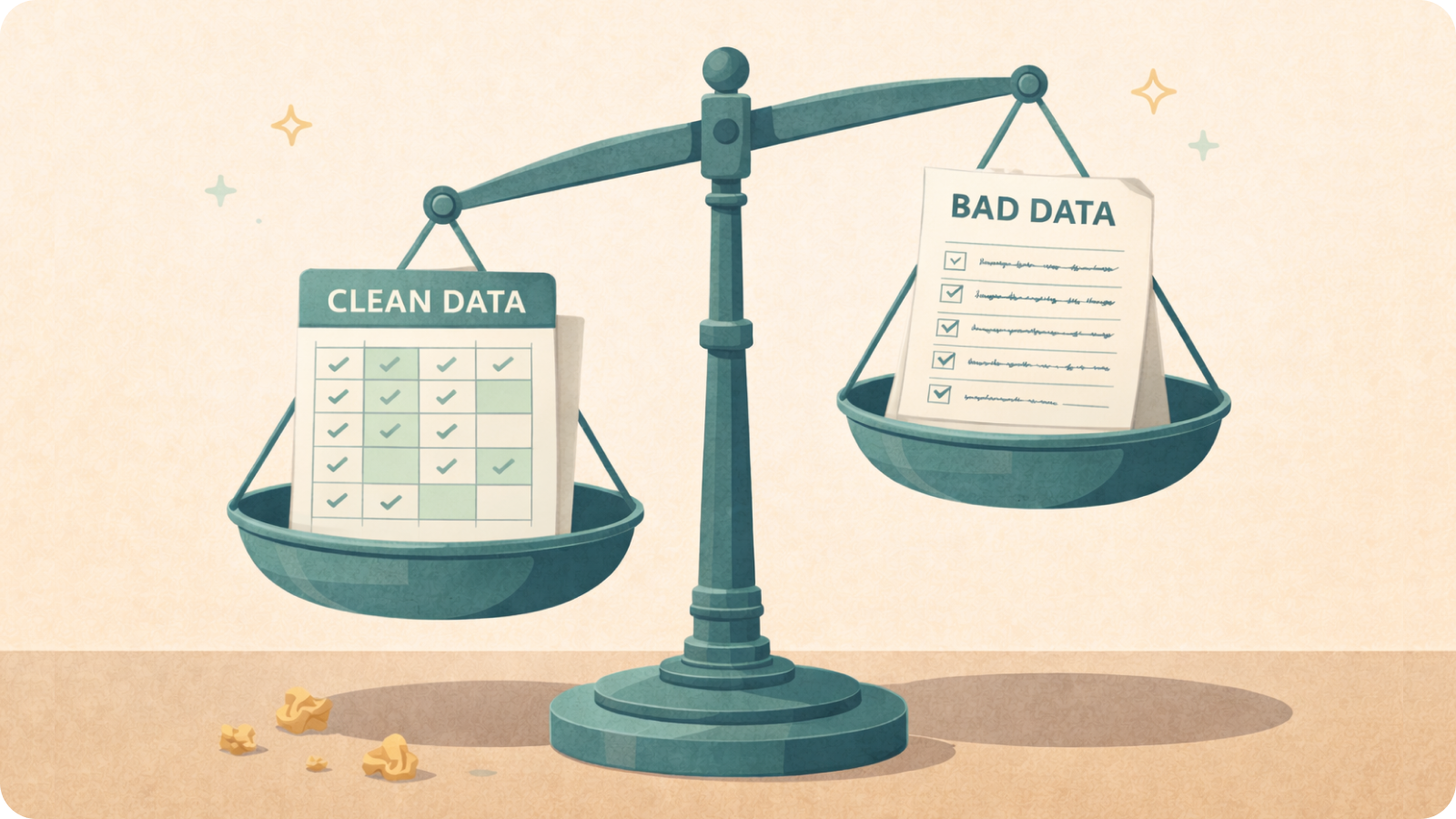
Clean data also enables more effective optimization. Campaign adjustments can be made quickly and with confidence, knowing that performance signals are accurate. Creative testing, audience segmentation, and messaging updates become more meaningful when results are measured correctly.
Perhaps most importantly, clean data strengthens alignment between marketing and leasing teams. When everyone is working from the same set of trusted insights, conversations shift from debating numbers to solving problems and improving outcomes.
The Role of Attribution in Data Quality
Attribution is one of the most critical and most misunderstood components of clean data. In multifamily marketing, renter journeys rarely follow a straight line. Prospects interact with multiple channels before converting, making it difficult to assign credit accurately.
Without a strong attribution model, data can become misleading. Channels may appear to perform well simply because they capture leads late in the journey, while others that influence earlier decision-making go undervalued.
At Dyverse, we address this challenge through tools like Kyzen Analytics and cost-per-lease auditing. By grouping sources logically and focusing on lease outcomes rather than isolated metrics, marketers gain a more realistic understanding of what’s driving performance.
How Clean Data Supports Smarter Goal-Setting
Clean data plays a foundational role in goal-setting, especially at the start of the year. When performance data is trustworthy, goals can be set based on realistic benchmarks rather than guesswork.
Marketers can identify which channels are capable of scaling, where efficiency improvements are possible, and how seasonality impacts demand. This leads to more accurate forecasting and better alignment between marketing objectives and broader business goals such as occupancy, retention, and revenue growth.
In contrast, goals built on flawed data often result in missed expectations, inefficient spend, and reactive adjustments later in the year.
Building Clean Data Habits Early in the Year
January is an ideal time to establish data hygiene practices that support long-term success. This doesn’t require overhauling your entire tech stack overnight. Instead, it starts with intentional, incremental improvements.

Reviewing lead source consistency, validating tracking across platforms, and aligning reporting definitions are simple steps that can yield immediate clarity. Regular audits, standardized dashboards, and shared reporting frameworks help ensure that data remains reliable as campaigns evolve.
By treating data quality as an ongoing process rather than a one-time fix, multifamily marketers can build systems that scale with their strategies.
Clean Data Enables More Confident Optimization
When data is clean, optimization becomes less risky. Marketers can test new ideas, experiment with creative, or adjust budgets knowing that performance signals reflect reality.
This confidence encourages smarter experimentation and faster learning cycles. Over time, small optimizations compound into significant performance improvements, creating a marketing program that becomes more efficient and effective throughout the year.
At Dyverse, our approach centers on building these foundations early - empowering teams with data they can trust and insights they can act on.
Final Thoughts: Clean Data Is a Competitive Advantage
In an increasingly competitive multifamily landscape, the difference between good marketing and great marketing often comes down to data quality. Clean data removes friction, sharpens strategy, and enables smarter decisions at every level.
As you build your marketing foundation for 2026, prioritizing clean data will pay dividends all year long. With the right systems, attribution, and reporting in place, multifamily marketers can move forward with clarity, confidence, and control.
If you’re ready to strengthen your data foundation and unlock smarter marketing decisions, Dyverse is here to help.

More from Dyverse

Tracking and Analyzing Consumer Behavior to Power Personalized Multifamily Marketing
When timing, relevance, and engagement make the difference between a signed lease and a missed opportunity, personalized marketing has become a strategic...

Celebrating a Milestone: Our Official Integration Partnerships with Top Property Management Systems
In the fast-evolving landscape of multifamily property management, staying ahead of technological advancements is not just an option; it's a...

The Impact of AI on PPC Advertising
Artificial intelligence (AI) is revolutionizing every aspect of digital marketing, including pay-per-click (PPC) advertising. With AI…
Want more?
Subscribe to get the latest updates on multifamily marketing, technology, and more.

Keep up with us!
For the latest updates be sure to connect with us on our social platforms.


Let's start a conversation
Schedule a demo to discuss how Dyverse can help you boost your leasing performance.


Suite 1000
Orlando, FL 32801
(866) 832-1507


